AR and VR: what is the difference?
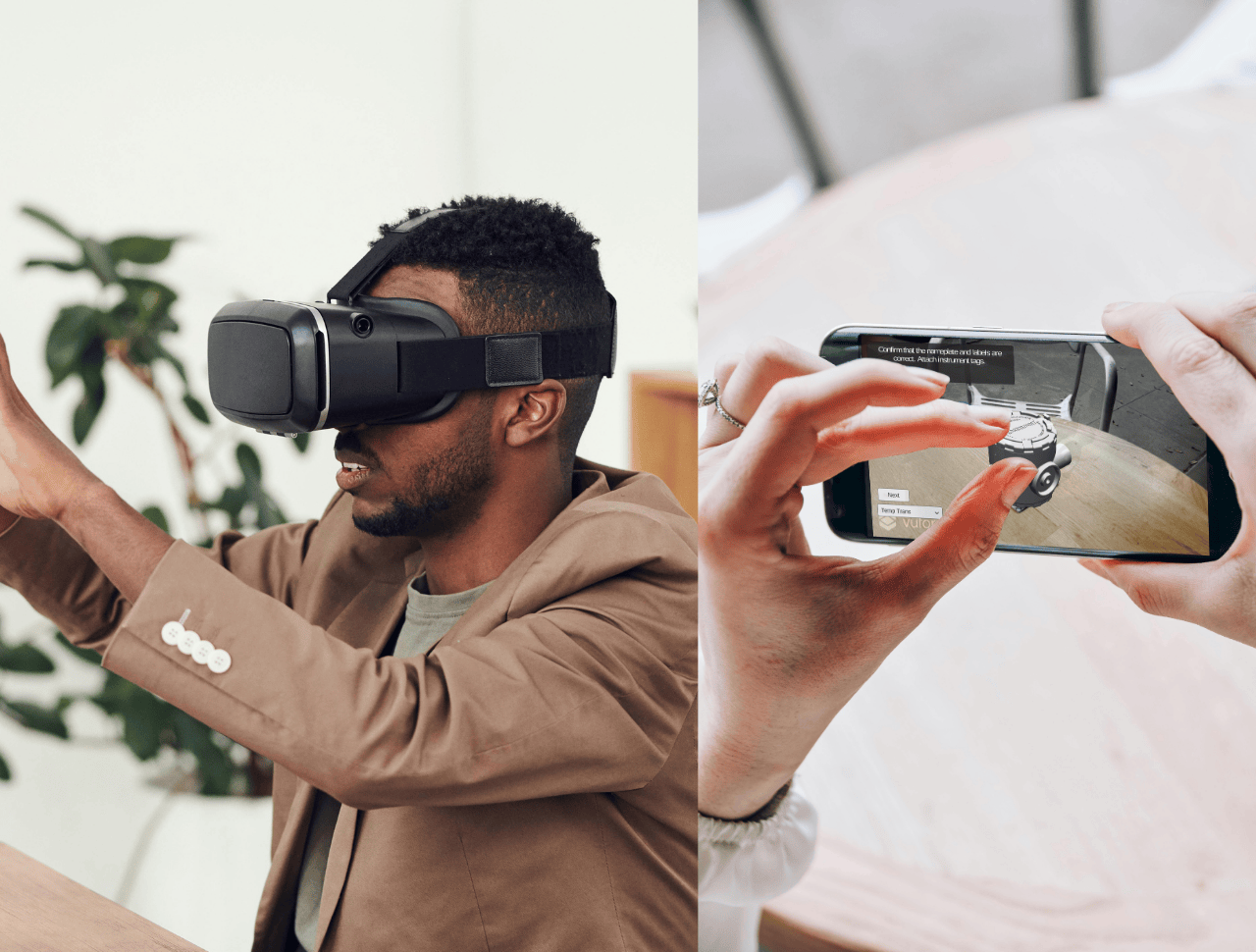
Although they come from the same technological family - Extended Reality (XR) - Augmented Reality (AR) and Virtual Reality (VR) are two very distinct concepts, both in terms of how they work and the experiences they offer. As these technologies rapidly become more widespread in many sectors (healthcare, education, industry, communication), it is essential to understand their specific characteristics in order to better grasp their potential.
Two fundamentally different approaches to reality
Augmented Reality involves enriching the real world with digital elements: images, text, 3D objects, and animations displayed in real time. This technology works through the screen of a smartphone, tablet, or connected glasses, such as Microsoft's HoloLens or Magic Leap 2. It does not seek to replace reality, but to complement it by layering useful, contextual, or entertaining information on top of it. In 2024, the global AR market was already worth $42.7 billion, with an estimated average annual growth rate of over 46% until 2030, according to Grand View Research [1].
Virtual Reality, on the other hand, offers a complete immersion in an artificial, computer-generated environment. The user is isolated from the real world and immersed in a 360° virtual universe, accessible through a dedicated headset such as the Meta Quest 3 or PlayStation VR2. This environment can be realistic, such as a factory simulation or an urban setting, or completely fictional. Unlike AR, VR cuts the user off from their physical surroundings to offer a multisensory experience that can also engage touch, hearing, and, in some cases, smell. The VR market is expected to exceed $100 billion by 2032, according to Fortune Business Insights [2].

Experiences tailored to a variety of contexts
One of the areas where AR and VR are making a spectacular breakthrough is healthcare. Augmented Reality is now used in surgery, where it allows professionals to superimpose medical data or anatomical visualizations on the patient in real time. Tools such as AccuVein, for example, make it possible to locate veins precisely, thereby reducing errors during injections or infusions [3]. Virtual Reality, meanwhile, is increasingly being used for therapeutic purposes, particularly to treat phobias, anxiety, and autism spectrum disorders. Solutions developed by AppliedVR and Oxford VR have proven their clinical effectiveness, particularly in the treatment of chronic pain and psychological trauma [4].
In the field of education and training, these technologies are profoundly transforming teaching methods. Thanks to augmented reality, learners can visualize complex objects directly in their environment. This enables more intuitive and engaging learning, which has already been adopted in several primary and secondary schools in Europe and the United States. For its part, VR makes it possible to simulate situations that would otherwise be inaccessible, such as a dissection, a visit to a museum on the other side of the world, or technical work on an industrial machine. According to a study by PwC, VR training allows employees to be trained four times faster and with 275% more confidence than traditional methods [5].
The tourism and culture sector is also benefiting greatly from these innovations. Augmented Reality allows visitors to museums or historical sites to access enriched content: 3D reconstructions, interactive objects, virtual guides. It transforms visits into personalized interactive experiences, accessible via smartphones or AR glasses. At the same time, VR allows users to explore places without leaving their homes. It is now possible to take a virtual tour of lost sites, such as Pompeii before the eruption, or to stroll through the streets of Tokyo, thanks to platforms such as Google Arts & Culture and immersive applications offered by travel agencies.
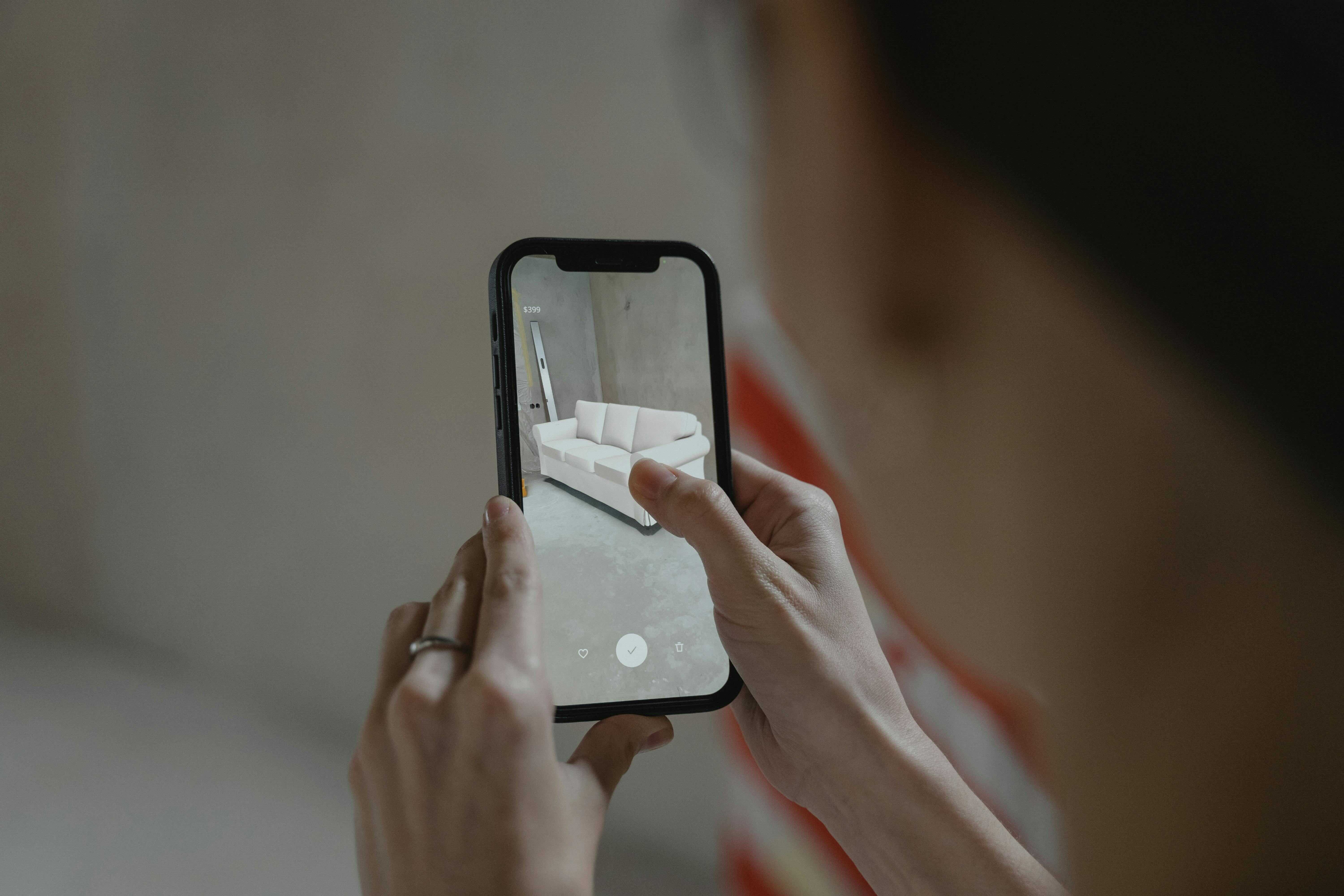
Last but not least, AR and VR are redefining customer relations in commerce and communication. Augmented Reality is increasingly being used in e-commerce to let consumers try out products virtually, like makeup, glasses, clothes, or furniture. Brands like Sephora, IKEA, and L'Oréal are already using this tech a lot, which really boosts engagement and conversion rates. Shopify claims that product listings incorporating AR can improve sales by up to 94% [6]. As for VR, it is used to create virtual stores, offer immersive showrooms, and develop distinctive brand experiences, as Dior did in 2024 with its virtual flagship store in Horizon Worlds.
Technologies that complement each other, not compete
Contrary to popular belief, Augmented Reality and Virtual Reality are not competitors. They serve different purposes, which may sometimes overlap but rarely replace each other. While AR is ideal for supporting a real task or enriching a physical environment, VR allows users to train, simulate, and experience the unreal in a controlled setting.
With the advent of mixed reality headsets such as Apple Vision Pro, which combine AR and VR in a single interface, the boundary between these two technologies is becoming increasingly blurred. Mixed Reality (XR) thus promises a new era of digital interactions where reality and virtuality no longer oppose each other, but reinforce each other.
Sources:
- Grand View Research (2024) – Augmented Reality Market Size, Share & Trends Analysis Report.
- Fortune Business Insights (2024) – Virtual Reality Market Size, Share & Industry Analysis.
- AccuVein – Vein Visualization Using AR – www.accuvein.com
- Oxford VR, AppliedVR – Clinical Trials and Results in Virtual Therapeutics – 2024.
- PwC (2023) – Seeing is Believing: How Virtual Reality is Transforming Training.