What place for RA in the cultural landscape ?

Augmented Reality continues to develop in more and more sectors. In this article, we will explore the cultural domain through AR.
The development of AR in the cultural sector
Augmented Reality is now a tool that is increasingly used in many sectors, particularly in the cultural sector, where it is taking on a more and more important role. Indeed, this technology is gradually becoming established in the cultural landscape, thus bringing a new dimension to this field, which relies heavily on this tool to reinvent itself.
We are now witnessing the multiplication of sites using augmented reality in order to enhance their cultural heritage. Numerous devices are being implemented and applied to various cultural assets in order to offer visitors unique and interactive experiences.
The uses of this technology by museums and heritage sites are numerous and are gradually replacing traditional tools such as audio guides and explanatory brochures. It is now possible, thanks to augmented reality, to travel through time and observe animal species that have become extinct thanks to Augmented Reality helmets or to discover the décor of a castle dating from the medieval period with an interactive tablet. Augmented Reality is also being used to enhance works of art, notably through applications dedicated to culture or created specifically for museums. When visiting a city or a cultural site, viewers can then have access to detailed information on various art objects by simply scanning a QR code or by taking a photo of the work directly on the application. More recently, we are also seeing the development of exhibitions entirely in Augmented Reality, offering visitors immersive experiences with works of art, visible only through a device such as a smartphone or tablet.
 Extinct species in Augmented Reality at the Natural History Museum.
Virtual Reality is also gradually finding its place in culture through innovative and totally immersive exhibitions, in which the viewer takes part in the artistic creations. These sensory experiences plunge the public directly into the artist's universe and sometimes even give them a role as actors by having them interact directly with the exhibition.
AR, an asset for the world of culture
The use of these innovative technologies in the world of culture represents a major asset for this sector. Indeed, by allowing real journeys out of time or the enrichment of already existing content, AR gives rise to interactive visits that are much more impactful. It undoubtedly creates a more intense link between visitors and cultural works of art by appealing to stronger emotions, which also allows for better memorization of the information made available to the public. Moreover, the development of immersive experiences also represents a new field of artistic creation, thus leaving room for new artists, many of whom propose inventive and surprising projects. In addition, this new art form is increasingly appealing to the general public, who are looking for thrills and who love these new digital art experiences.
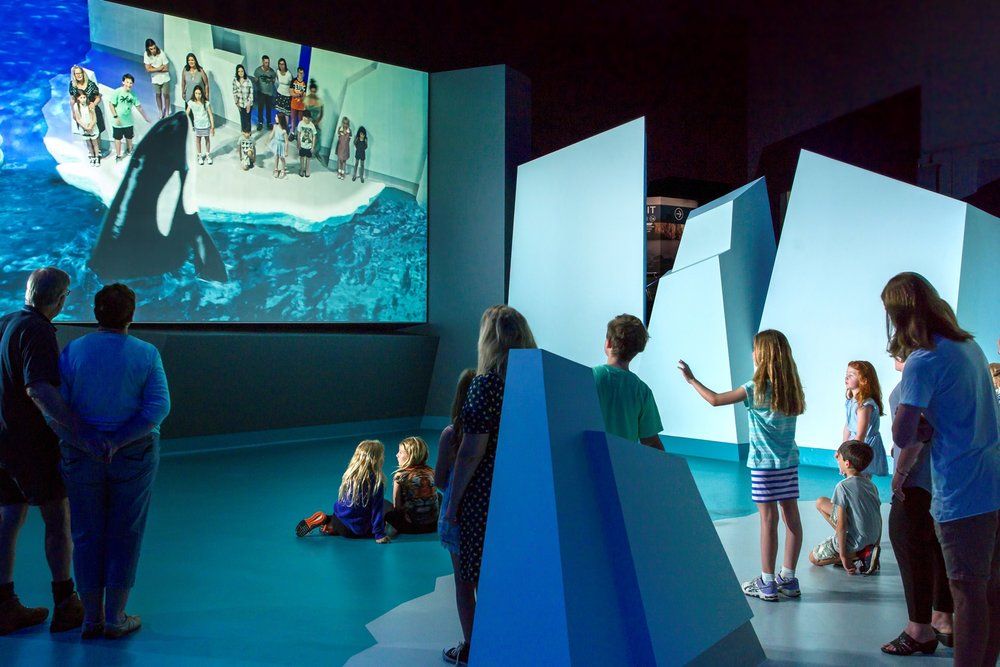 Augmented reality exhibition.
These tools applied to culture are aimed at all generations and thus make it possible to appeal to a wider audience but also to capture a more heterogeneous public. Indeed, the democratisation of AR has allowed this tool to become a device known to all and used by the greatest number of people, especially young people. The growing attraction of the population to these innovations is attracting new spectators to the cultural landscape. We can therefore hope for a real revival of this milieu and a stronger cultural influence thanks to these technologies which could, in particular, encourage the public, especially the younger generations, to preserve their cultural heritage.
Finally, it seems that these innovations now allow better access to culture, particularly to history and art, thanks to information that is more accessible but above all more entertaining. With the creation of real experiences around knowledge, Augmented Reality could therefore play a decisive role in education in the future. Indeed, by mixing leisure with culture, this technology brings a new dimension to the cultural experience and to visits, which could thus enable cultural venues to reach a wider audience.