How Augmented and Virtual Reality Enhance Safety in High-Risk Industrial Sites
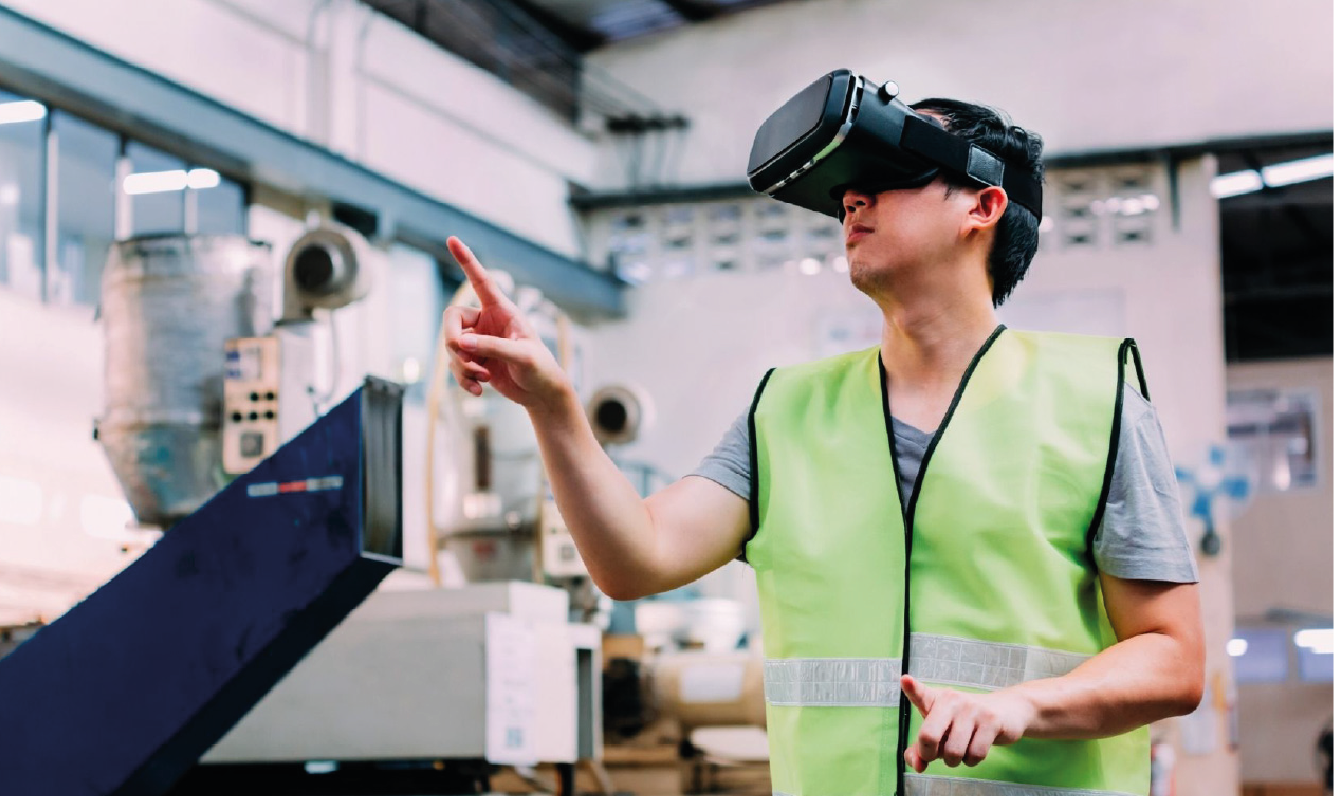
3D visualization technologies, such as Augmented Reality (AR) and Virtual Reality (VR), are revolutionizing safety protocols in high-risk industrial environments. These technologies provide precise, practical tools for training, risk prevention, and real-time procedural improvements.
Risk-Free Training and Preparation
VR enables the creation of immersive simulated environments where operators can practice handling complex machinery or managing emergency scenarios without exposure to danger. By simulating realistic and tangible scenarios, operators gain practical skills, enhancing their confidence and minimizing errors during real-life interventions.
A concrete example is the use of simulators for maintaining critical industrial equipment. These simulators allow operators to rehearse complex tasks such as disassembling and reassembling a compressor in a virtual environment, thereby avoiding any material or human risk during the learning phase.

Risk Analysis and Anticipation
AR aids in proactively identifying risks by overlaying critical information onto the operator’s physical environment. For instance, it can highlight hazardous zones, such as areas exposed to chemicals or danger zones near electrical installations, directly in the user’s field of view. This proactive approach improves prevention and reduces potential incidents.
Additionally, solutions based on Building Information Modeling (BIM) integrate real-time sensor data to model and visualize danger zones, such as areas prone to collapse or toxic gas emissions. This data enables swift and informed decision-making before operators are deployed on-site.
Real-Time Operational Assistance
Operators benefit from interactive and contextual guidance through AR. During complex technical procedures, they can receive visual instructions directly on their equipment or environment. For example, a technician working on an electrical panel can see circuit diagrams and alerts for live zones, thereby avoiding fatal errors. Remote experts can also intervene instantly via connected interfaces to provide precise and rapid support. This assistance is particularly valuable for operators in isolated locations or extreme environments, such as offshore platforms or nuclear plants.
 Photo credit : DigitalCook Blog
Optimizing Industrial Processes
VR facilitates the validation of manufacturing processes before their implementation in the physical world. By identifying design flaws or inefficiencies, companies can reduce risks related to technical defects and avoid production interruptions. This enhances both employee safety and overall operational resilience.
A striking example is the use of digital twins. These virtual replicas allow companies to test production scenarios in a simulated environment and optimize parameters before implementation. This helps prevent accidents caused by malfunctions or configuration errors.
Accessibility of Immersive Technologies for Industry
The democratization of immersive technologies, such as AR and VR, is now a major lever for enhancing safety in high-risk industrial sites. These tools should no longer be perceived as solutions exclusive to a select group of companies but as resources accessible and adaptable to the specific needs of any organization. Current innovations in AR and VR are designed for seamless integration into existing industrial infrastructures. With intuitive interfaces and simplified maintenance, these technologies are quickly deployable, minimizing adoption delays. Close collaboration with field operators and optimized implementation costs make these tools both accessible and immediately operational. As a result, they are effective solutions for improving operator safety while aligning with industrial performance imperatives.
Conclusion
AR- and VR-based 3D solutions provide tangible and measurable answers to safety challenges in the industrial sector. By offering tools for risk prevention, enhanced training, and real-time operator support, these technologies are becoming indispensable for safeguarding workers and optimizing industrial performance. However, a tailored implementation strategy and genuine operator engagement are essential to maximize their potential and minimize limitations.